


You unboxed it, found a spot on the counter, and maybe even pulled your first shot. What now?
Buying a home coffee machine is exciting, but it is only the starting point. Like any good tool, it rewards a thoughtful setup and a simple, repeatable workflow, and this guide aims to give you a shortcut to the essential home barista accessories that make everyday coffee easier, cleaner, and more consistent, without any jargon overload.
After years of helping people build home coffee setups, we see the same questions come up again and again. The good news is that you do not need much to build the perfect setup.
Here are six must-have accessories for every home barista setup.
1. A counter-top Tamping Mat

A tamping mat is one of those small upgrades that quickly becomes essential. Sitting under your portafilter while you tamp, it provides a stable, non-slip surface that helps you apply even pressure, leading to more consistent espresso extraction. It also protects your countertop, catches stray coffee grounds, and keeps your setup tidy. Simple, affordable, and used for every single coffee.
2. Make life easier with a Knock Box

A knock box gives you a clean, safe place to dispose of used coffee pucks after brewing. Instead of banging your portafilter on a bin or sink, you can knock out pucks quickly and move on. It protects your equipment, keeps your workflow smooth, and makes cleanup far easier, especially when making more than one coffee.
3. Coffee Scales to get your ratios right

Good coffee scales help you understand what is actually happening during each shot by showing how much coffee goes in and how much liquid comes out. This small bit of visibility makes it far easier to repeat coffees you enjoy and avoid ones that taste sour or bitter. You do not need to obsess over numbers; just having a reference point brings consistency, confidence, and better results.
4. Puck Screen

A puck screen is a thin metal disc placed on top of the coffee before brewing that helps distribute water more evenly and keeps the group head cleaner. It can improve consistency and reduce mess, but it is very much an optional extra. If it feels like one step too far when starting out, skip it and come back to it later.
5. Dedicated Coffee Towels

A dedicated set of coffee towels is one of those quietly sensible additions that also happens to keep the peace at home. They are used for wiping the steam wand, drying portafilters, and dealing with the small spills that come with making coffee. Having towels that are clearly “for coffee only” means you are not reaching for the good towels and staining them(which is a surprisingly easy way to get yourself into trouble). Practical, inexpensive, and most importantly; relationship-saving.
6. Coffee Needle Distributor

A coffee needle distributor, often called a WDT tool, uses fine needles to gently break up clumps in freshly ground coffee before tamping. By evenly distributing the grounds across the basket, it reduces air pockets and weak spots that can lead to uneven extraction. It is especially helpful for beginners, making puck preparation more forgiving and results more consistent, without adding complexity to the workflow.
Finally, do not be afraid to get some help
A Home Barista Training session gives hands-on guidance on building a solid home coffee routine, covering grind, dose, tamping, milk texturing, and basic operation and troubleshooting. You use your own machine, and learn how small changes can make a big difference. For many of our trainees, this course saves months of frustration and wasted beans (and money!).
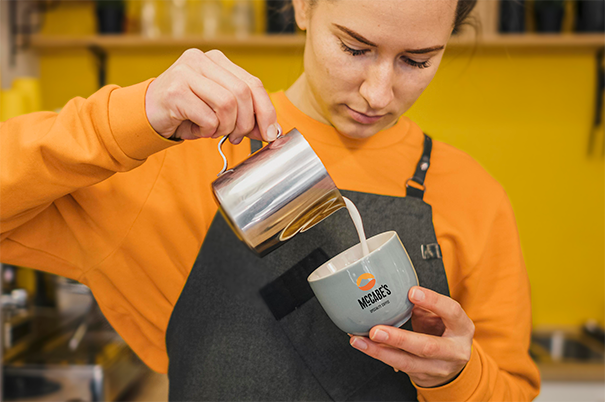
If milk-based drinks are your go-to, we highly recommend a Latte Art Class as a natural next step. Even if you never pour a perfect rosetta, learning proper milk texture improves every flat white you make.
Keep it simple and build from there
Making great coffee at home is not about owning everything from day one. It is about understanding a few fundamentals and building a toolkit that works for you. Start simple, figure out your ideal setup, identify what's missing, and expand from there. Most importantly, enjoy the process and the coffee. Keep it fed with freshly roasted coffee delivered every month through our bean subscriptions.


Leave a comment
All comments are moderated before being published.
This site is protected by hCaptcha and the hCaptcha Privacy Policy and Terms of Service apply.