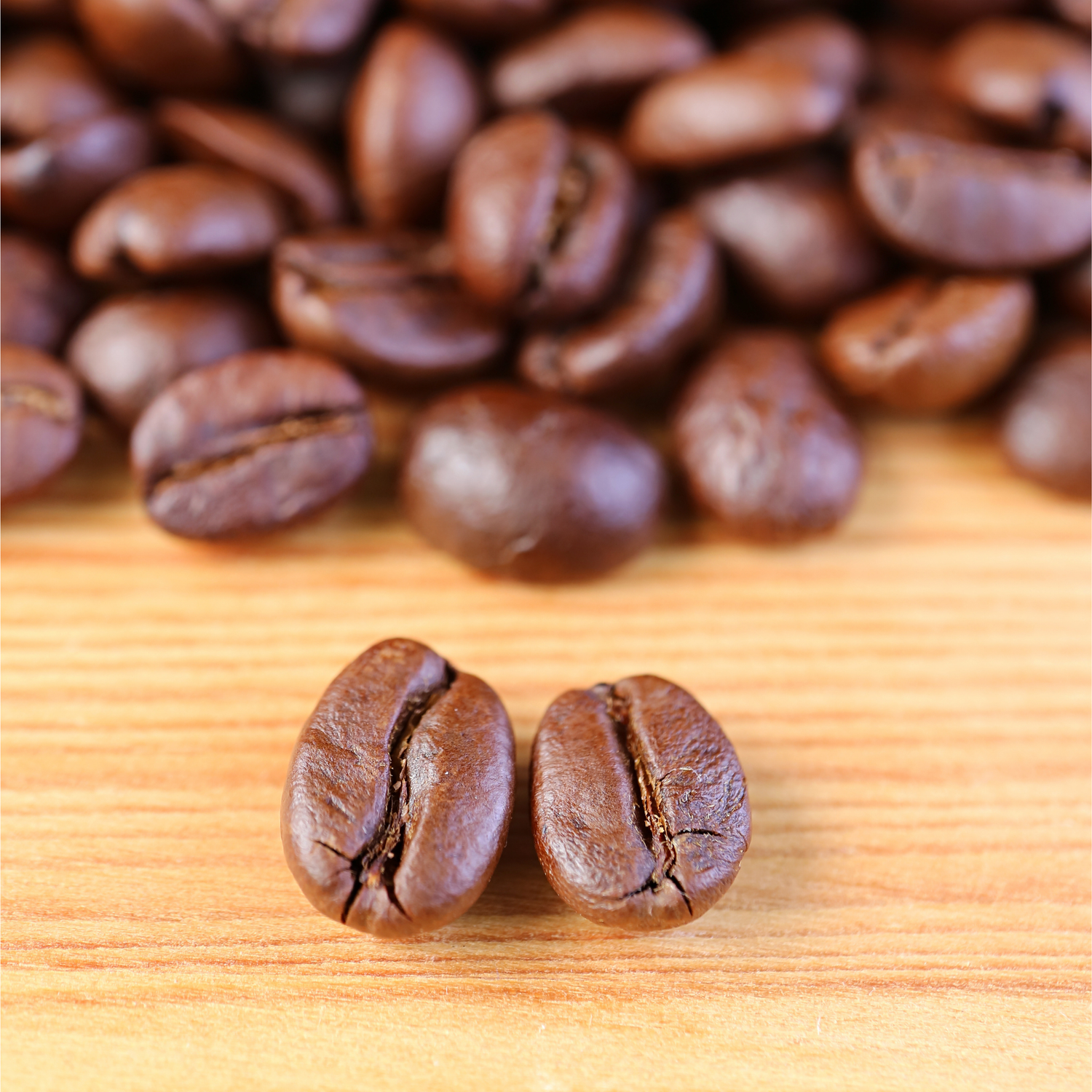
When shopping for coffee, you might have noticed the terms 'Arabica' and 'Robusta' on coffee bags or café menus.
While both are popular coffee species grown around the world, they differ significantly in how they're grown, flavour, caffeine content, and how they're used.
At McCabe's, we've made our choice: we don't use Robusta in any of our coffees. Every bean we roast is high-quality, specialty-grade Arabica, sourced from growers we know in the world's best coffee-growing regions. It's a more expensive way to do things, but it's the only way to deliver the smooth, sweet, complex cup that Arabica is celebrated for.
So what actually separates these two beans? We're here to fill you in on the exact differences and why we believe Arabica is worth it.
What is Arabica Coffee?
Arabica coffee (Coffea arabica) is the world's most popular coffee species, accounting for around 60–70% of global coffee production. It's prized for its refined flavour, aromatic complexity, and smooth finish.
Arabica plants will typically only grow at higher elevations, where cooler temperatures and slower maturation allow the beans to develop more nuanced flavours.
Arabica Coffee Characteristics
- Smooth, balanced flavour
- Naturally sweet notes, often with hints of chocolate, caramel, fruit, or flowers
- Bright, pleasant acidity
- Lower caffeine content (typically 1.2–1.5%)
- Grown at elevations of 800–2,200 metres
Because Arabica plants are more delicate and susceptible to pests and disease, they're generally harder to grow and more expensive to cultivate than Robusta.
What is Robusta Coffee?
Robusta coffee (Coffea canephora) is known for its strong, earthy, highly bitter flavour profile and higher caffeine content. The plants are much hardier, more resistant to disease, and can thrive in warmer climates at lower altitudes.
Robusta is commonly used in instant coffee or Italian espresso blends because it delivers a stronger caffeine kick.
Robusta Coffee Characteristics
- Strong, intense flavour
- Earthy, nutty, and sometimes woody or bitter notes
- Lower acidity
- Higher caffeine content (typically 2.2–2.7%)
- Grown at elevations below 800 metres
The naturally higher caffeine content acts as a defence against insects, making Robusta easier and less costly to grow.
Arabica vs Robusta: Key Differences
Feature |
Arabica |
Robusta |
|
Flavour |
Smooth, sweet, complex | Harsh, earthy, bitter |
|
Aroma |
Floral, fruity, chocolate | Nutty, woody, earthy |
|
Acidity |
Higher acidity, giving the coffee a brighter, crisper, livelier taste | Lower acidity, resulting in a flatter, heavier flavour profile |
| Caffeine Content | Around 1.2–1.5% caffeine by weight | About 2.2–2.7% caffeine by weight (Roughly twice as much as Arabica) |
|
Growing Conditions |
Requires high altitudes & cooler climates to grow | Tolerates hotter climates, grows at lower altitudes, naturally more resistant to pests and diseases |
|
Price |
More expensive due to lower yields and higher cultivation costs | Usually less expensive as it's much easier to grow and requires less intensive care |
Which Coffee Tastes Better?
Taste is subjective, but many specialty coffee enthusiasts prefer Arabica because of its smoother, sweeter, and more complex flavour profile.
Arabica offers a wide range of tasting notes depending on where it's grown and how it's roasted. You might discover flavours of berries, citrus, caramel, chocolate, or nuts in a single cup.
Robusta, on the other hand, tends to have a much stronger, heavier body with earthy, bitter notes. It's popular in some traditional Italian espresso blends, where its heavier body adds a thick crema, but is mostly used in instant coffee for it's high caffeine kick.
Explore Our Range of Premium Arabica Coffee
At McCabe's Coffee, we're passionate about sourcing exceptional coffee and roasting every batch to bring out its unique character.
We exclusively use only high-quality Arabica beans selected from renowned coffee-growing regions around the world, delivering the balanced flavour, sweetness, and aroma that coffee lovers appreciate.
Whether you're brewing at home or looking for the perfect espresso, choosing freshly roasted coffee makes all the difference.
Browse our range of freshly roasted coffees and discover the flavour that's right for you.
Blend 15
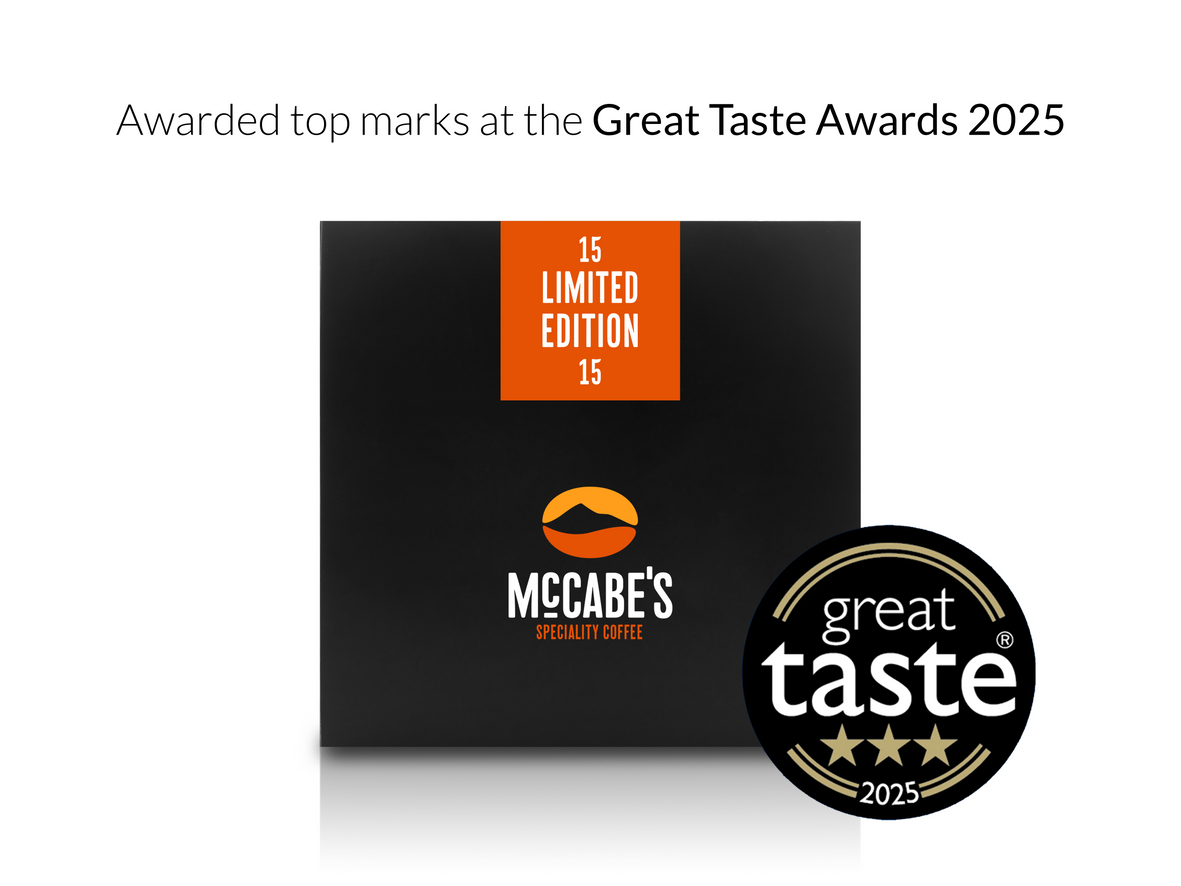
Milk chocolate, toffee and stone fruits. Ireland's only 3 Star Great Taste winner 2025.

Sail Boat Brazil Organic
Biscuit, milk chocolate and cheesecake. Smooth with a clean finish.

Wicklow Organic
Almond, honey and apple. Easy-going with a creamy mouthfeel.
Frequently Asked Questions
Is Arabica healthier than Robusta?
Both coffees offer similar antioxidants and health benefits when consumed in moderation. The biggest nutritional difference is that Robusta contains more caffeine.
Why is Arabica more expensive?
Arabica plants require specific growing conditions, produce lower yields than robusta plants, and are more vulnerable to pests and disease. These factors increase production costs.
Can you taste the difference between Arabica and Robusta?
Yes. Arabica generally tastes smoother, sweeter, and more aromatic, while Robusta is stronger, more bitter, and earthier.
Is Robusta bad coffee?
Not at all. High-quality Robusta can produce some excellent coffee, especially in espresso blends. While it has a much harsher flavour than Arabica, some coffee drinkers enjoy its intensity and rich crema.
Final Thoughts
Arabica and Robusta each have their strengths. Arabica is celebrated for its refined flavour and complexity, while Robusta delivers boldness, body, and extra caffeine.
At McCabe's, we much prefer the nuance that high-quality arabica coffee beans provide, but understanding the differences will help you choose a coffee that you'll truly enjoy. And when those beans are freshly roasted locally by experienced roasters, every cup is better.

Leave a comment
All comments are moderated before being published.
This site is protected by hCaptcha and the hCaptcha Privacy Policy and Terms of Service apply.